Irresistible Buttered Lobster Pasta for a Perfect Dinner
Introduction
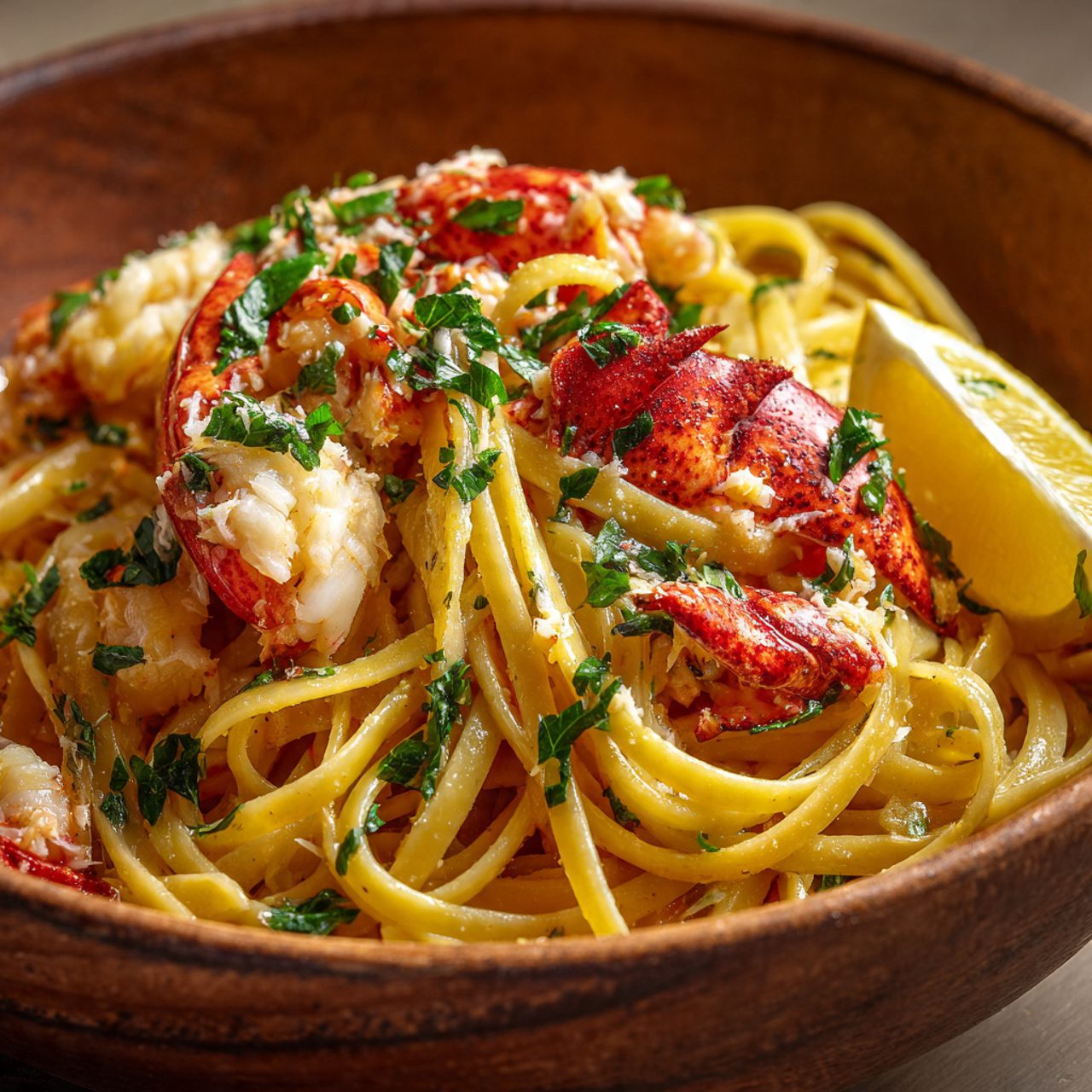
Have you ever wondered how to elevate a simple pasta dish into a gourmet experience? Many people shy away from cooking seafood at home, thinking it’s too complicated or requires special skills. However, this irresistible buttered lobster pasta is not only simple but also can impress any dinner guest. Perfect for special occasions or just a cozy evening at home, this dish brings together succulent lobster and creamy pasta for an unforgettable meal. Ready to dive in? Let’s explore the essentials of preparing this delectable dish!
Ingredients List
For this buttered lobster pasta, you’ll need:
– Linguine or spaghetti (12 ounces)
– Substitution: Gluten-free pasta for a gluten-free option
– Lobster tails (2, about 4-6 ounces each)
– Substitution: Shrimp or crab meat for a different seafood flavor
– Unsalted butter (1/2 cup)
– Substitution: Olive oil for a healthier option
– Garlic (4 cloves, minced)
– Heavy cream (1 cup)
– Substitution: Coconut cream for a dairy-free alternative
– Parmesan cheese (1 cup, grated)
– Fresh herbs (basil or parsley, chopped for garnish)
– Salt and pepper to taste
– Lemon juice (1 tablespoon)
– Substitution: Lime juice for a zesty variation
Timing
Prep Time: 15 minutes
Cook Time: 20 minutes
Total Time: 35 minutes
Imagine the rich aroma of butter and garlic wafting through your kitchen as you prepare this dish. It’s a comforting and indulgent experience that’ll make your mouth water long before you take that first bite!
Step-by-Step Instructions
Step 1: Cook the Pasta
Start by bringing a large pot of salted water to a boil. Add in your linguine or spaghetti and cook according to the package instructions until al dente. Draining the pasta with a slight bit of extra water will help create a silky sauce later.
Chef’s Tip: Reserve 1 cup of pasta water for later use; it’s perfect for adjusting the sauce’s consistency.
Step 2: Prepare the Lobster
While the pasta is cooking, heat a large skillet over medium heat. Melt 1/4 cup of butter, letting it foam up, and then add the minced garlic. Sauté for about 1 minute until fragrant, being careful not to burn the garlic.
Next, add the lobster tails, cut in half lengthwise for faster cooking. Cook for about 4-5 minutes per side until they turn opaque and are cooked through.
Chef’s Note: If you’re using shrimp or crab, adjust the cooking time as shrimp usually needs just 2-3 minutes.
Step 3: Make the Sauce
After removing the lobster tails, reduce the heat and pour in the heavy cream. Stir frequently, allowing it to simmer gently for about 3 minutes. Next, add the remaining butter, allowing it to melt into the sauce.
Stir in the grated Parmesan cheese until the sauce becomes creamy and thick. If it’s too thick, you can add reserved pasta water as needed.
Step 4: Combine Everything
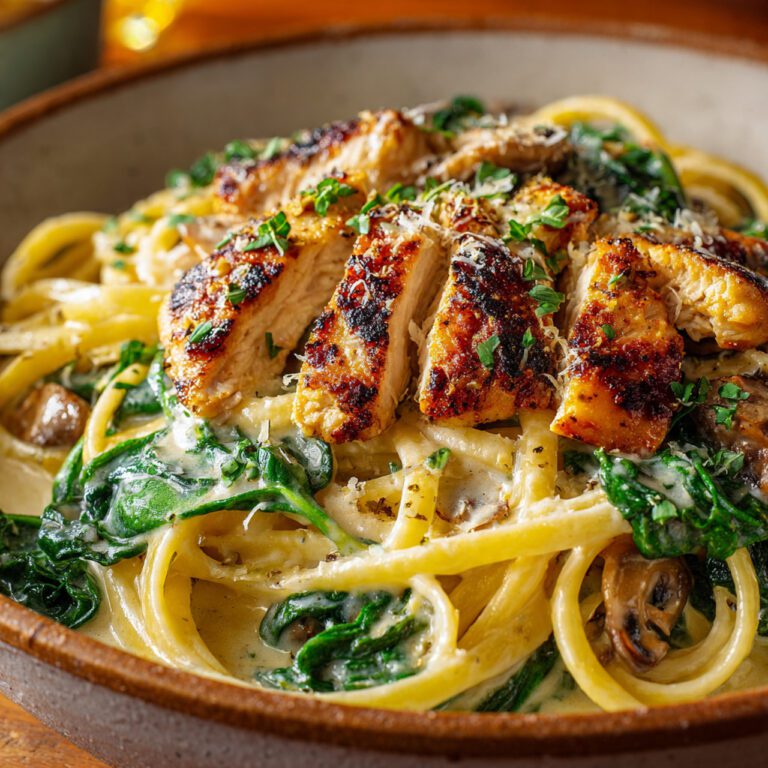
Once your pasta is cooked and drained, add it directly into the skillet with the sauce. Toss everything well, ensuring the pasta is thoroughly coated. Gently fold in the lobster meat, allowing its flavor to infuse into the pasta.
Chef’s Tip: For a touch of heat, add a pinch of red pepper flakes at this stage.
Step 5: Serve and Garnish
Sprinkle freshly chopped herbs on top and drizzle with lemon juice for a bright finish. Serve this dish immediately with extra Parmesan cheese on the side.
Nutritional Information
– Calories: Approximately 650 per serving
– Protein: 40g
– Fat: 36g
– Carbohydrates: 55g
– Fiber: 3g
– Key Nutrients: Vitamin B12, calcium, omega-3 fatty acids
Healthier Alternatives
Consider these swaps to make your buttered lobster pasta a bit lighter:
– Use whole grain pasta to boost fiber and nutrients.
– Substitute Greek yogurt for heavy cream for a lower-calorie version.
– Replace butter with avocado oil for a heart-healthy fat.
Serving Suggestions
For a truly delightful dinner experience, pair your buttered lobster pasta with:
– A crisp green salad drizzled with balsamic vinaigrette.
– Garlic bread or artisan rolls to soak up the creamy sauce.
– A nice glass of white wine, such as Chardonnay or Pinot Grigio.
Common Mistakes to Avoid
1. Overcooking the Lobster: Lobster is best when tender, so keep an eye on it during cooking.
2. Skipping Starchy Pasta Water: This is a game-changer for your sauce! It helps bind everything together.
3. Not Tasting as You Go: Always taste your dish before serving to ensure the flavors are balanced.
Storing Tips
To keep the deliciousness intact:
– Allow any leftovers to cool to room temperature.
– Store in an airtight container in the fridge for up to 2 days.
– Reheat gently on the stovetop or microwave, adding a splash of cream or pasta water to restore moisture.
Conclusion
This buttered lobster pasta is an exquisite dish that combines rich flavors and textures, perfect for any dinner occasion. Don’t be intimidated by cooking seafood at home; with this straightforward recipe, you can achieve restaurant-quality results with ease.
If you enjoyed this recipe, let us know your thoughts in the comments below! We’d love to hear about your culinary adventures or any modifications you made. Sign up for our newsletter for more delicious recipes and kitchen tips!
FAQs
Q1: Can I use frozen lobster?
Absolutely! Just make sure to thaw it completely before cooking for the best texture.
Q2: What can I serve instead of butter for a vegan option?
You can use vegan butter or olive oil to create a similar rich flavor without dairy.
Q3: Can leftovers be frozen?
While ideally served fresh, you can freeze leftovers in a sealed container. Just be aware that the texture may change slightly upon reheating.
Q4: Is this dish suitable for meal prep?
Yes! Just make sure to store the pasta and the sauce separately to maintain quality before mixing and reheating later.
Q5: How can I make this dish spicier?
Consider adding fresh chopped chili peppers or a dash of hot sauce to the sauce for an extra kick!
By integrating these elements into your cooking repertoire, you’ll impress family and friends with this luscious dish time and again. Enjoy your culinary adventures!
Leave a review :
There are no reviews yet. Be the first one to write one.