Delicious Rømmegrøt: Easy Traditional Norwegian Porridge
Introduction
Have you ever wondered what makes a dish truly comforting? Imagine a warm bowl of porridge that harks back to Norwegian traditions—this is exactly what rømmegrøt offers. It’s a creamy, comforting dish that often surprises those unfamiliar with Norwegian cuisine. Many mistakenly think all porridge is bland and boring; however, rømmegrøt is a delightful fusion of rich flavors and textures that can transform your breakfast or dessert experience.
Let’s dive into the wonderfully creamy world of delicious rømmegrøt, and discover how you can easily prepare this traditional Norwegian dish in your own kitchen!
Ingredients List
To create this comforting porridge, you’ll need the following ingredients:
– 2 cups sour cream (Can substitute with Greek yogurt for a lighter version)
– 3 tablespoons all-purpose flour (Try using whole wheat flour for added fiber)
– 4 cups whole milk (Almond milk or oat milk can be used for a dairy-free option)
– Salt, to taste
– 1 tablespoon sugar (Optional, can replace with maple syrup for a naturally sweet option)
– Ground cinnamon, for serving (Consider nutmeg for a different flavor profile)
– Butter, for drizzling (Coconut oil works well for a dairy-free alternative)
This simple list of ingredients will yield an immense amount of flavor, making your rømmegrøt both satisfying and unforgettable!
Timing
When it comes to preparation, this delightful dish requires:
– Prep time: 5 minutes
– Cook time: 20 minutes
– Total time: 25 minutes
Picture the kitchen filled with the comforting aroma of warm porridge—it’s a slice of Norway right at home, perfect for chilly mornings or cozy evenings.
Step-by-Step Instructions
Step 1: Mix the Base
In a medium saucepan over low heat, combine the sour cream and flour. Stir consistently until everything is blended well. This forms the creamy base that makes rømmegrøt so uniquely delightful.
Step 2: Add Milk
Gradually pour in the whole milk, stirring continuously to prevent lumps from forming. Keep stirring until the mixture thickens, which should take about 10-15 minutes. The consistency should resemble that of a thick custard.
Step 3: Season to Taste
Add a pinch of salt and the optional sugar to taste. These ingredients elevate the dish, bringing out its rich flavors. After seasoning, stir for an additional 2-3 minutes.
Step 4: Serve Warm
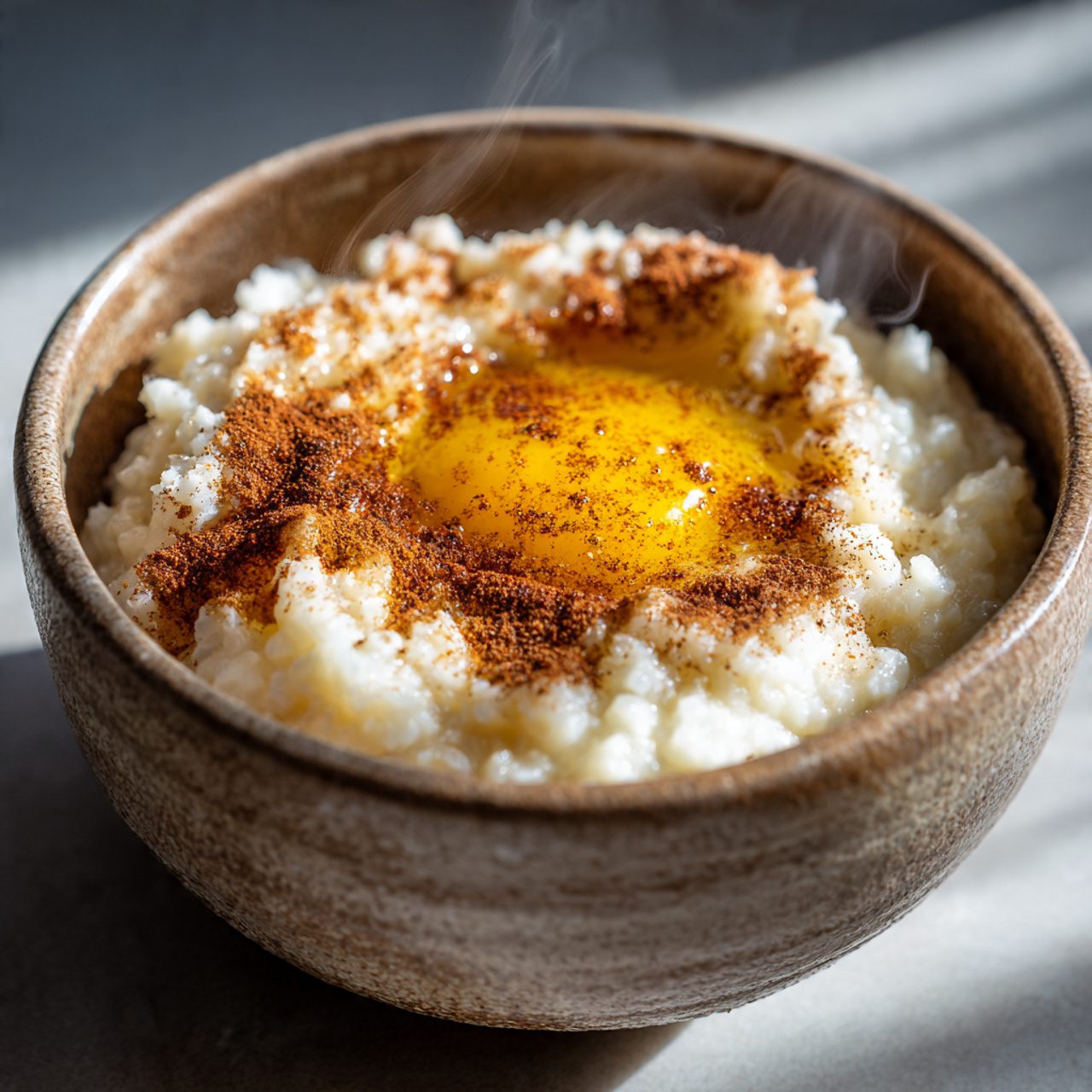
Once the porridge reaches your desired thickness, remove it from heat. Pour it into bowls and add a generous drizzle of butter on top. Sprinkle with cinnamon or nutmeg for added flair.
Chef’s Tips:
– If you prefer a smoother texture, use an immersion blender after cooking to blend any lumps.
– To experiment with flavors, try incorporating vanilla extract into the mix as it cooks.
Nutritional Information
Here’s a quick look at the nutritional information for a serving of rømmegrøt (approximately 1 cup):
– Calories: 350
– Fat: 28g
– Carbohydrates: 18g
– Protein: 7g
– Fiber: 0g
– Calcium: High
Enjoying this traditional dish gives your body essential nutrients while providing a fulfilling meal!
Healthier Alternatives
Looking to make your rømmegrøt even more health-conscious? Consider these substitutes:
– Use Greek yogurt instead of sour cream to lower the fat content while increasing protein.
– Swap whole milk with almond or oat milk to further cut back on calories and make it vegan-friendly.
– Reduce the sugar and enhance sweetness with mashed bananas or applesauce.
These adjustments make the dish lighter without compromising on flavor!
Serving Suggestions
Rømmegrøt can be enjoyed in various ways:
– Traditional Style: Serve warm, drizzled with melted butter and sprinkled with cinnamon.
– Fruity Twist: Top with fresh berries, bananas, or poached apples for a delightful twist.
– Festive Addition: It pairs wonderfully with salty meats such as cured ham or sausage during holiday gatherings.
Experimenting with toppings will introduce new layers of flavor to your traditional dish!
Common Mistakes to Avoid
To ensure your rømmegrøt is heavenly, keep these common pitfalls in mind:
– Not stirring enough: To avoid lumps, consistently stir the mixture while cooking.
– Using cold milk: Make sure the milk is at room temperature before adding it to the mixture; this helps prevent curdling.
– Overcooking: Watch the porridge closely; overcooking can lead to a grainy texture.
By avoiding these mistakes, you’ll be on your way to creating the perfect bowl of rømmegrøt!
Storing Tips
If you happen to have leftovers (which is rare, but can happen!), follow these steps to maintain freshness:
– Cooling: Allow the porridge to cool to room temperature before transferring it to an airtight container.
– Refrigeration: Store in the fridge for up to 3 days. The texture might change slightly but it’ll still be delicious.
To reheat, simply add a splash of milk and warm it gently on the stove while stirring.
Conclusion
Incorporating delicious rømmegrøt into your cooking repertoire opens doors to traditional Norwegian comfort. It’s a simple dish that can be easily adjusted to meet dietary preferences while remaining true to its roots. Whether enjoyed as breakfast or a dessert, it’s sure to leave an impression!
Have you tried making rømmegrøt at home? Share your experience below or sign up for our newsletter for more delicious recipes and tips delivered straight to your inbox!
FAQs
What can I serve with rømmegrøt?
Rømmegrøt pairs well with cured meats, fresh fruits, and a sprinkle of sugar or cinnamon. It makes a wonderful festive dish alongside a summer BBQ, too!
Can rømmegrøt be made vegan?
Absolutely! Substitute sour cream and whole milk with plant-based alternatives like vegan yogurt and almond or oat milk.
How can I make rømmegrøt thicker?
If you want a thicker consistency, allow the dish to simmer a bit longer while stirring continuously. Alternatively, you can mix in an extra tablespoon of flour for additional thickness.
What is the history behind rømmegrøt?
Rømmegrøt dates back to the Middle Ages in Norway and symbolizes wealth and traditional food culture among Norwegians. Often served during festivities and celebrations, it’s a cherished dish.
Is rømmegrøt gluten-free?
If you use a gluten-free flour alternative, then yes! Substituting with gluten-free flour like almond or rice flour can make this dish suitable for those with gluten sensitivities.
Dive into this traditional dish and revel in the magic of Norwegian cuisine! Happy cooking!
Leave a review :
There are no reviews yet. Be the first one to write one.